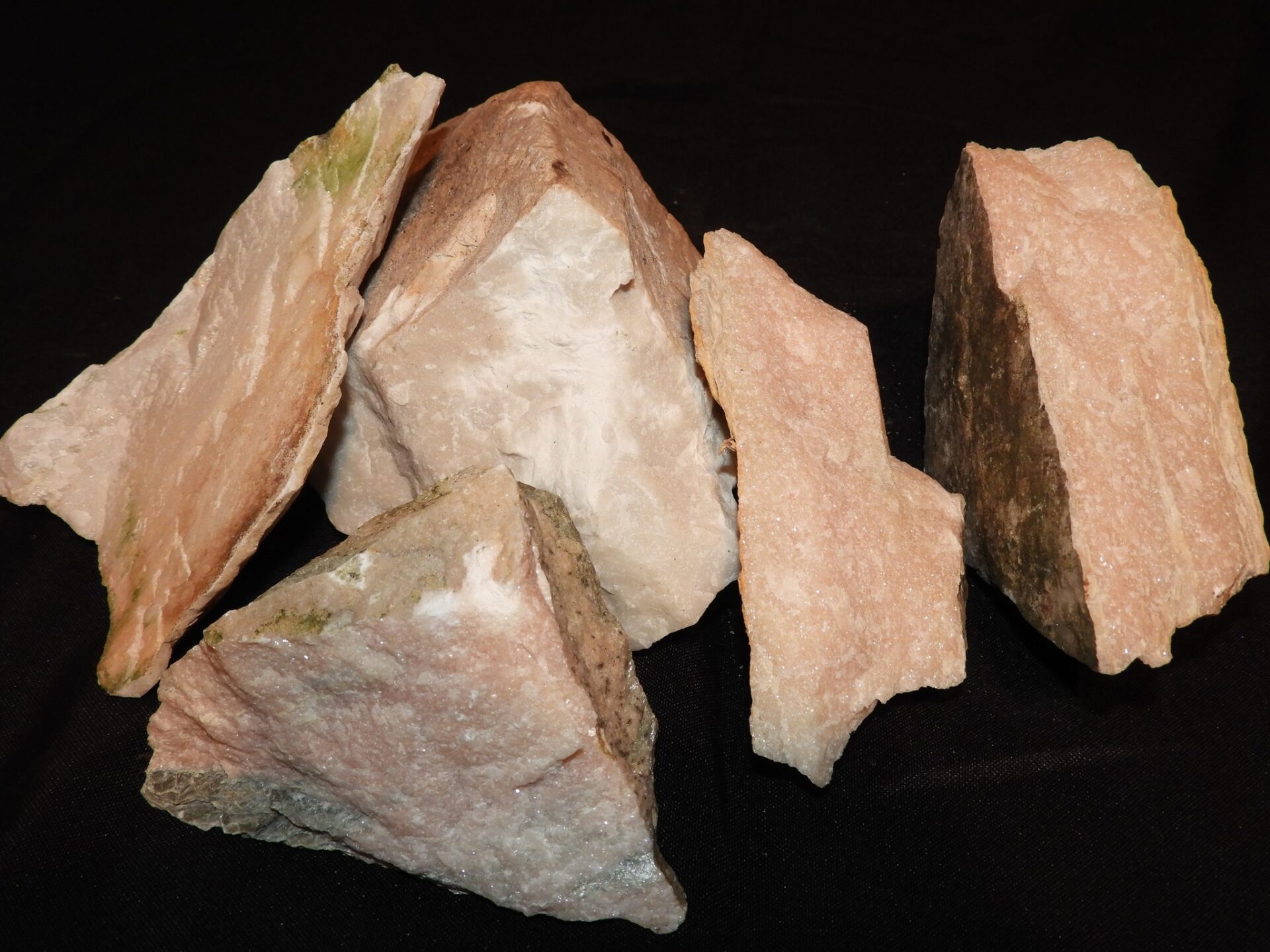
Very few people are aware that here in Loudoun County, Virginia we have some of the finest marble deposits in the world. As early as April 1800, future Architect of the Capitol Benjamin Latrobe proposed as a monument to recently deceased George Washington, a pyramid, whose internal columns would be quarried from Loudoun marble.
Later, while on a tour of Loudoun County in search of an ideal stone for the reconstruction of the Capitol building, burnt down by the British in 1814, Latrobe wrote that Loudoun marble “appears to be in great abundance, and of first-rate quality as to texture, and purity of color.” However, the deposits were not readily accessible being located along the shallow Goose Creek and not, like other stones used in the Capitol, along great rivers like the Potomac. In those days before the railroads, water transport was the only way to move tons of stones.
The marble quarry passed through many hands over the centuries and after the Civil War the owners asked Leesburg, Virginia to issue bonds to underwrite a railroad spur from the quarry to Leesburg’s Washington and Old Dominion Railroad. This would solve the transport problem and make the marble profitable to quarry. However, Leesburg voters turned it down.
In the 20th century, the quarries were purchased with the intent of using the stone for terrazzo floors. A bridge was built over Goose Creek, equipment constructed and beautiful Loudoun marble, a stone fit for the sculpture of Michelangelo or Leonardo da Vinci, was ground up for flooring until an act of God, a great storm, washed out the bridge and closed the operation.
In the accompanying pictures, you can see what the quarry looks like today.
If you are interested in this story, you may be interested in reading my newly published book: “Potomac Marble: The History of the Search for the Ideal Stone” available on www.amazon.com or https://www.barnesandnoble.com/ and local bookstores.


Leave a Reply